Smartwatches on the Wrist Can Help Protect Human Health from Heatstroke and Air Pollution
31.05.2026 | 07:52 |
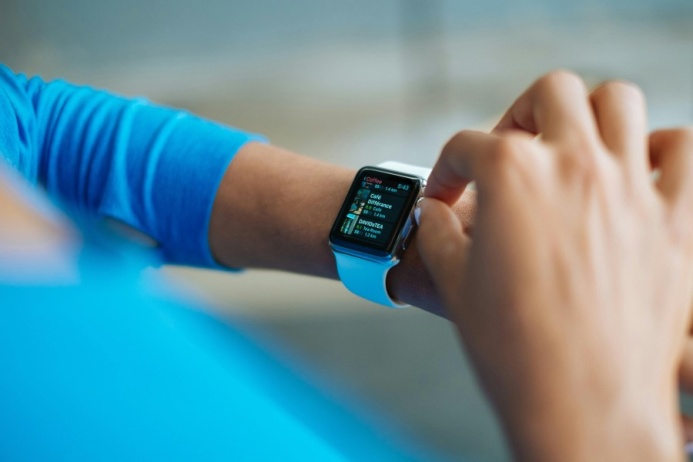


Modern personal gadgets and mobile technologies have moved beyond being mere tools for counting steps, becoming high-tech applied shields capable of minimizing the harmful effects of a changing environment on the body in real time.
In May, a team of researchers from the City University of New York published the results of a pilot experiment in the prestigious scientific journal JMIR Formative Research, demonstrating the high effectiveness of integrating standard smartwatches and GPS navigation systems in preventing critical heatstroke and hidden poisoning of the population by fine microparticles.
Amid the onset of summer heat and sharp spikes in air pollution, wearable wrist-mounted biosensors have learned to detect the slightest changes in heart rate variability, pulse rate, and skin temperature even before a person physically feels ill.
Software algorithms instantly compare these medical parameters with current digital microclimate maps of a specific city block, generating personalized preventative notifications for the user about the need to immediately seek shade, drink water, or adjust their route to avoid polluted traffic arteries.
For millions of owners of commercial smartwatches such as the Apple Watch, Samsung Galaxy Watch, or Garmin, this technology opens up new practical possibilities, as it eliminates the need to purchase specialized medical devices. In practice, this system is implemented through the installation of accompanying mobile apps that use open APIs to connect the watch's internal heart rate sensors with external environmental monitoring databases.
Next-generation specialized platforms, including AirTrack from the British laboratory Air Aware Labs, already allow you to overlay heat maps and air quality layers directly onto familiar exercise trackers or smartphone digital maps.
Users simply download the app from a standard app store, authorize health data syncing, and the smart assistant begins sending micro-notifications with specific times when it's safest to be outdoors.
Such applied solutions translate abstract environmental concerns into everyday comfort, helping everyone adapt to extreme summer heat and protect their respiratory and cardiovascular systems autonomously and automatically.
Photo: health.yahoo.com
Read also:

31.05.2026
|07:55


31.05.2026
|00:58

30.05.2026
|15:20