Hungary Reaches Deal with EU to Unblock €16.4 Billion in Frozen Funds
31.05.2026 | 01:30 |
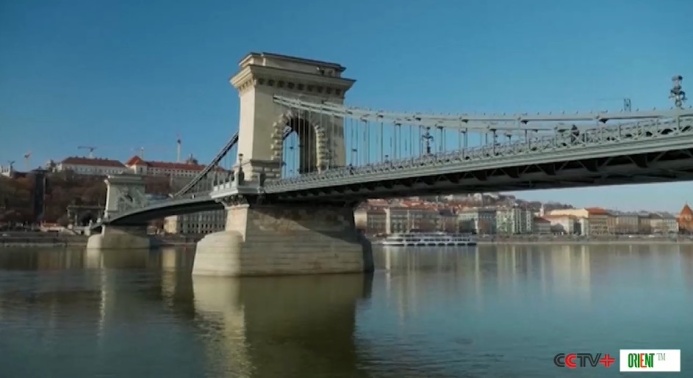


Hungarian Prime Minister Péter Magyar announced on Friday that Hungary had reached a political agreement with the European Union to release €16.4 billion (US$19.1 billion) from previously frozen EU funds.
The agreement was reached after talks with European Commission President Ursula von der Leyen in Brussels and will allow the unblocking of around 6,000 billion forints of EU resources, equivalent to about 13 percent of Hungary’s gross domestic product, Magyar said.
The package includes €10 billion that could be unlocked under Hungary’s revised recovery and resilience plan, subject to the implementation of agreed reforms and investments, as well as €4.2 billion from cohesion funds, released after progress on governance-related conditions, and another €2.2 billion linked to reforms in higher education and academic freedom, von der Leyen said.
The funding will be directed to support projects in energy, transport, housing, digitalisation and small and medium-sized enterprises. Magyar said resources would also be available for modernising electricity grids, railways, rental housing projects, healthcare and education development, while several billion euros could be claimed for projects already completed or under implementation. Speaking after the meeting, Magyar called the outcome a “historic day” for Hungary. “We are taking home thousands of billions of forints provided by the European Union as support, which belong to the Hungarian people,” he said.
Von der Leyen said the agreement resulted from several weeks of intensive cooperation between the European Commission and Hungary’s new government on reforms aimed at strengthening anti-corruption measures and the rule of law.
“We have agreed on a robust framework that will ensure Hungary addresses corruption and rule of law challenges,” she said, adding that Hungary had decided to join the European Public Prosecutor’s Office, strengthen its integrity authority, revise public procurement rules and phase out public interest trusts that had raised concerns over conflicts of interest and state capture.
According to von der Leyen, the reforms enabled the Commission to unlock funding previously frozen under various EU mechanisms. She said both sides had agreed on “very concrete projects” supporting key sectors, including energy, housing, transport and small and medium-sized enterprises.
Von der Leyen also announced that Hungarian students would be able to rejoin the Erasmus exchange programme from the next academic year, thanks to progress on issues concerning academic freedom and governance in higher education institutions.
More details on the agreement are expected to be published in the coming days.
Photo: orient.tm
Read also:

31.05.2026
|07:55
31.05.2026
|00:58
30.05.2026
|15:20