Sowing the Seeds of Chinese-Turkmen Agricultural Cooperation
06.04.2026 | 23:58 |
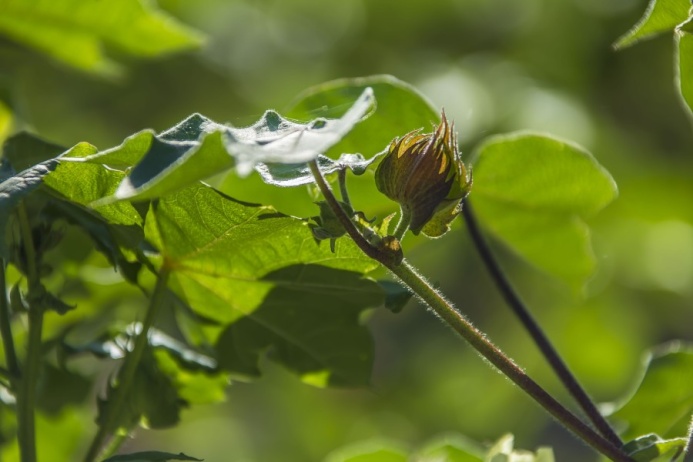


This year's cotton sowing season in Turkmenistan is marked by an important technological debut: high-yielding varieties from China's Xinjiang region are making their debut in the country's fields. In his opinion piece for ORIENT, Ambassador Extraordinary and Plenipotentiary of the People's Republic of China to Turkmenistan Ji Shumin reveals details of the two countries' agricultural alliance—from the introduction of biotechnology, which increases fiber yield by 30%, to the prospects for creating smart agriculture capable of transforming the region's economic landscape.
As in previous years, immediately after the Novruz holiday, the northern slopes of the Kopetdag mountains become even greener, and the cotton sowing season begins in Turkmenistan. However, this year there is a significant difference: a shipment of seeds from China has appeared in the cotton fields. These are high-yielding cotton varieties, developed using high technology by renowned seed companies in Xinjiang.
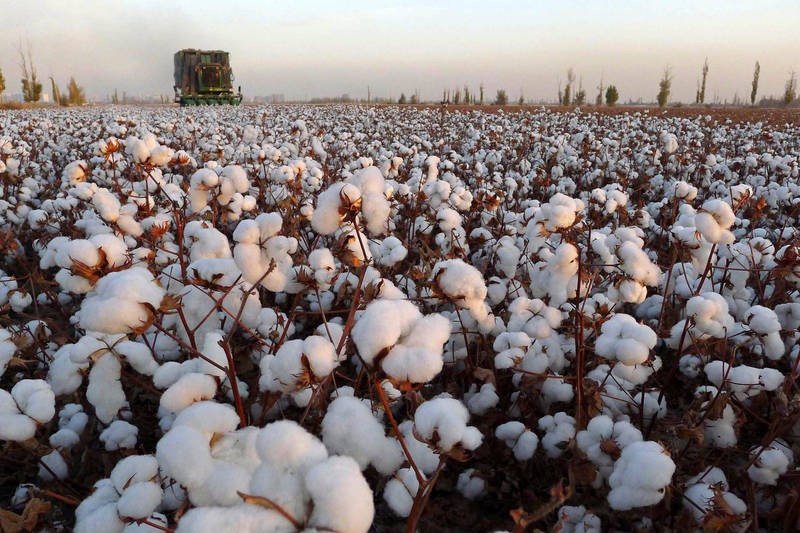
The key advantage of Chinese cotton seeds is that biotechnology has enabled them to overcome the complex challenge of combining early maturity, high yield, and high quality. Cotton varieties from Xinjiang have higher yield potential: some yield more than 30% more cotton fiber than local main varieties.
These varieties are characterized by high fiber uniformity and low impurity content, better meeting the stringent requirements of the modern textile industry with its high-speed spinning machines. Furthermore, the selected varieties have a compact bush form and good resistance to leaf drop and lodging, making them suitable for large-scale mechanized harvesting in the vast, flat cotton fields of Turkmenistan. Cotton seeds from Xinjiang are already being distributed throughout Central Asia, and their market potential is already tangible.
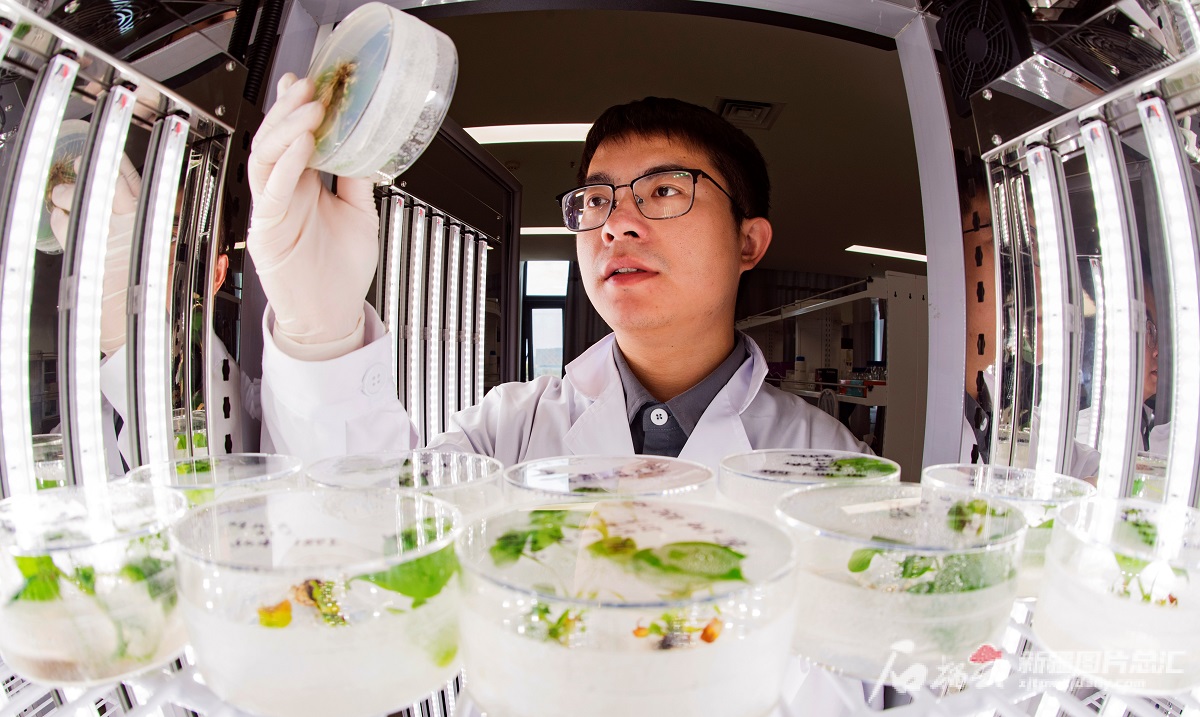
Today, the overall level of scientific and technological innovation in China's agriculture ranks among the world's leaders. During the 14th Five-Year Plan, China achieved significant technological breakthroughs in key areas such as seed production, agricultural machinery, biosecurity, and green, low-carbon development. The 15th Five-Year Plan sets the goal of unified planning to increase the research intensity, environmental friendliness, and quality of agriculture, and to create recognizable brands, as well as to strengthen research in key areas such as basic seed resources, agricultural machinery, and water conservation in the agricultural sector.
Chinese agriculture will rapidly transition to intellectualization and digitalization. China is ready to share its scientific and technological achievements with Central Asian countries to jointly revive agriculture.
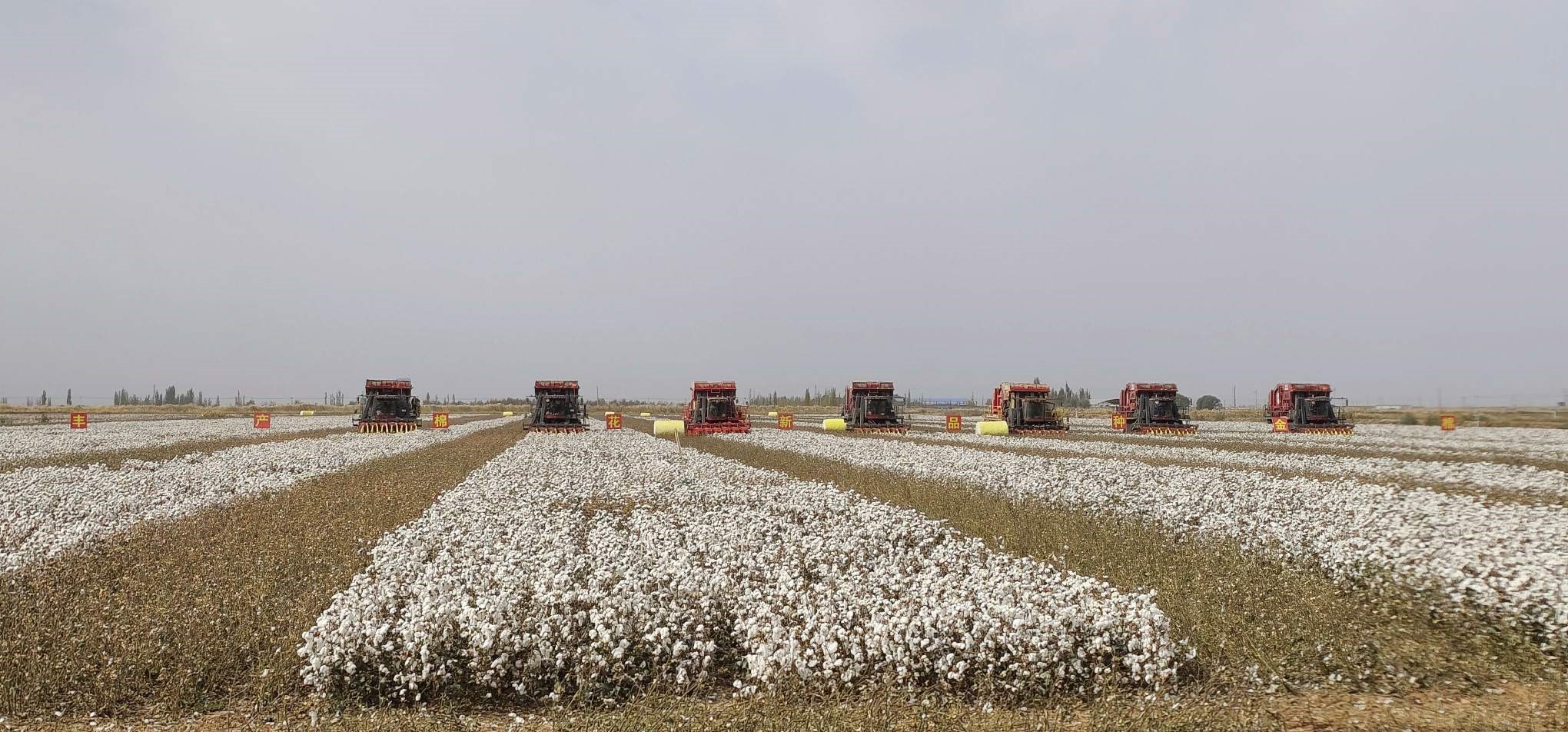
Currently, agricultural cooperation between China and Turkmenistan is in its infancy, but its prospects are quite promising. Turkmenistan has abundant land resources and competitive and cost advantages in terms of light, heat, water, electricity, and labor; agricultural products such as tomatoes, strawberries, and cucumbers are exported to neighboring countries.
China has a vast market and technological advantages in crop breeding, agricultural machinery, and water conservation. By exchanging resources and complementing each other's strengths, the two sides could achieve mutually beneficial cooperation, open up new avenues of collaboration in the agricultural sector, and benefit agriculture, rural areas, and farmers in both countries.
Ambassador Extraordinary and Plenipotentiary of the People's Republic of China to Turkmenistan Ji Shumin
Photo: orient.tm
Read also:



06.04.2026
|20:54
06.04.2026
|11:49


04.04.2026
|02:19


03.04.2026
|20:15

03.04.2026
|00:12