Freight Soars to $5,000 per Container. Why Are Shippers Worldwide Unable to Find Space on Vessels?
06.06.2026 | 23:30 |


Rates up 50 percent since April, capacity shortages, panic booking three weeks in advance, and geopolitics that leave no choice
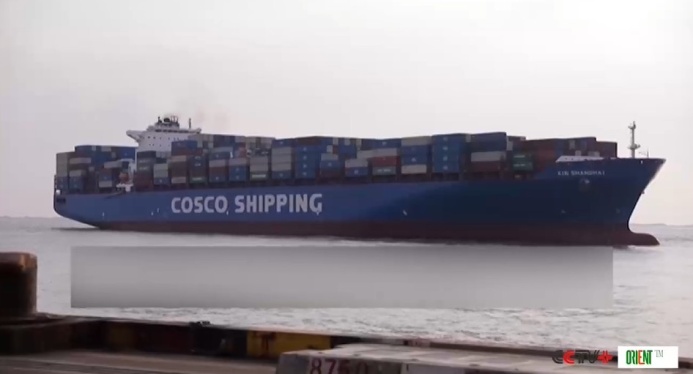
As reported by CCTV+, the combination of geopolitical tensions, supply chain concerns and holiday demand has sent international freight rates soaring. Spot rates on major trade routes are rising at an unprecedented pace.
The container freight index for European routes has risen more than 50 percent since late April. Leading carriers, including Maersk and CMA CGM, have issued rate adjustment notices. Vessel space has become so tight that shippers are struggling to book slots.
Xu Cheng, CEO of an international freight forwarder in Suzhou, said: “The standard rate for a 20 foot container on the Italy-Mediterranean route has reached $5,000. Previously it was $3,000–4,000. On European and US routes, the rate has risen by more than $1,000 per container in just one month.”
The main reason is limited vessel capacity. June and July are traditionally the peak season. Space on all major routes is scarce. On some routes, there is a panic scramble for slots. Xu added: “We are getting many calls from clients, but there is no space. Now we advise booking three weeks ahead instead of the usual one. Some clients already tell us their plans for the next month at the end of the current month.”
The sustained rise in freight costs has pushed the peak season forward. In Yiwu, foreign buyers are already placing orders for second half holiday goods. Logistics yards are piled high with export cargoes. Loading teams are working non stop.
Zeng Xibao, deputy director of Zhejiang Jindun Logistics, said: “Our current shipping volume to the US and Europe is up 30–40 percent year on year. Demand for holiday gifts is especially strong. In July, August and September, volumes could rise another 40 percent. This year’s foreign trade situation is quite positive.”
Experts attribute the surge to geopolitical shocks in the Middle East, a global trend toward finer division of labour and hedging of geopolitical risks, as well as an early start to the consumption season in Europe and the US.
Yang Hai, chief transport and logistics analyst at Shenwan Hongyuan Securities, warned: “The price increases in the traditionally quiet period were driven by rising fuel costs. But the current across the board hikes are about replenishing global safety stocks. If the situation deteriorates further, supply chain security fears will reach a new high, and stockpiling demand will continue.”
June–September is the traditional peak for sea freight due to preparations for the holiday season in Europe and the US. In 2026, this peak arrived earlier and became more acute because of geopolitics. The sea has never been calm. But now it has also become unpredictable. Containerships are full, prices are climbing, shippers are ready to book slots a month in advance. It is not just demand. It is uncertainty. When the world does not know what tomorrow will bring, everyone starts stockpiling. And stockpiles have to be shipped. And shipping is expensive. The question is not whether rates will fall. They will. The question is whether companies will survive this summer. And what will happen when the holidays end but geopolitics does not. While some count losses, others simply go with the flow. Because there is no choice.
Photo: orient.tm
Read also:

06.06.2026
|00:35




03.06.2026
|14:45

31.05.2026
|07:55


31.05.2026
|00:58

30.05.2026
|15:20