


Central Asia as a Space of Flexible Alliances in a Zone of Stability – The Khiva Dialogue
19.04.2026 | 00:51 |
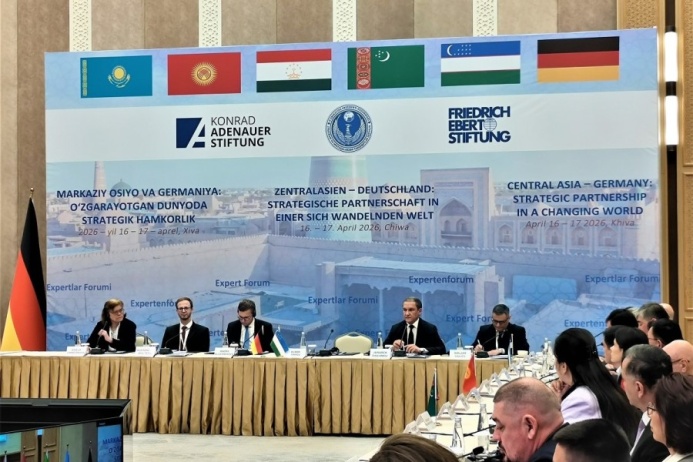


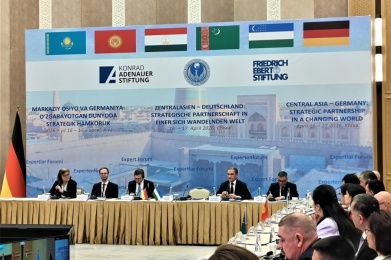
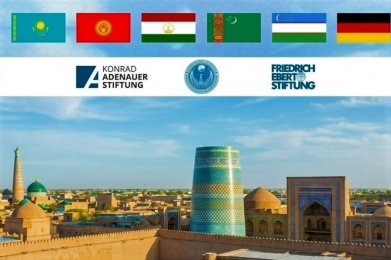
Ancient Khiva, a crossroads of civilizations for centuries, hosted the first Central Asia-Germany Expert Forum, «Strategic Partnership in a Changing World» This event marked a significant milestone in understanding the new geopolitical reality, where the region is ceasing to be an object of external influence and becoming an active participant in global processes.
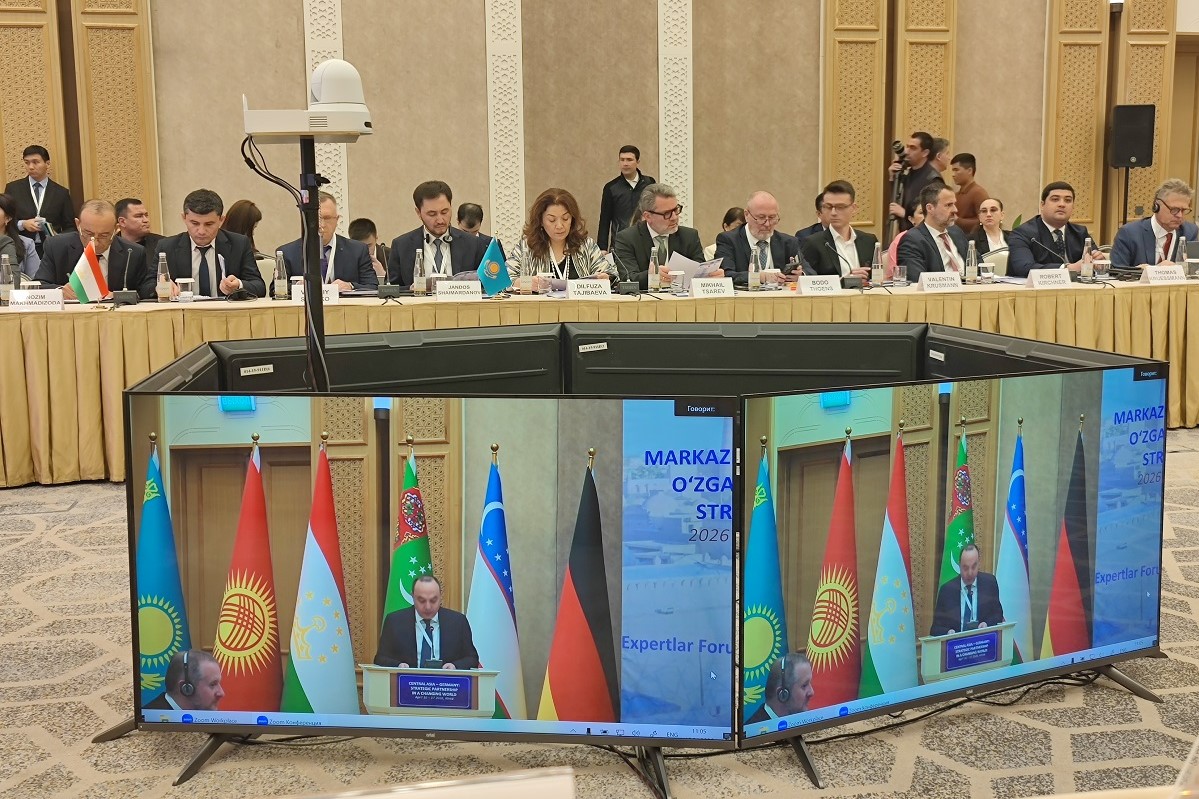
Leading analysts, diplomats, and heads of strategic institutions from all Central Asian countries and Germany participated in the forum. Turkmenistan, represented by its expert community, played a prominent role in the discussions. Ovezdurdy Mukhammetberdiev, Doctor of Sociology and Professor at the Institute of International Relations of the Ministry of Foreign Affairs of Turkmenistan, presented a comprehensive overview of the region's foreign policy strategies in the context of the transition from unipolarity to a multipolar world order.
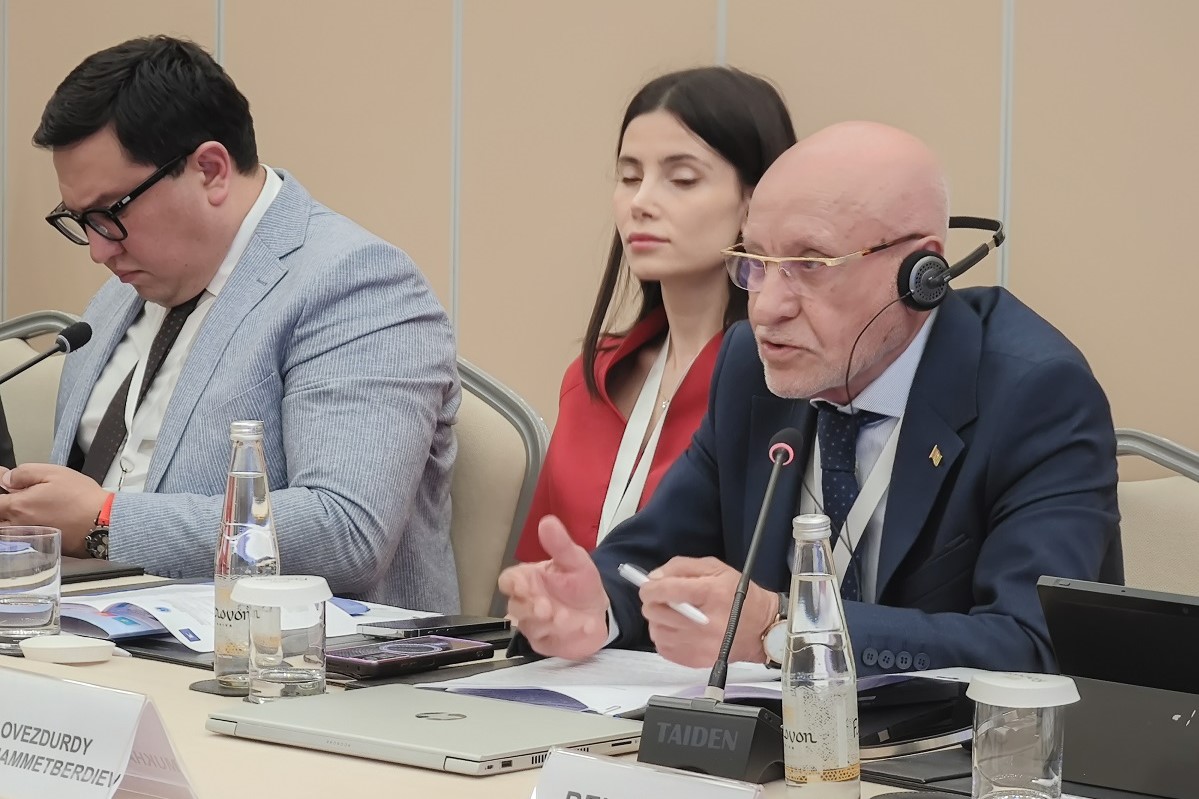
Professor Mukhammetberdiev presented the participants with a panorama of modern Eurasia, where Central Asian states are adapting their approaches to unprecedented challenges. This adaptation is underpinned by a multi-vector strategy that allows the region's countries to maintain a delicate balance between the interests of global powers such as Russia, China, the United States, and the European Union. At the same time, the fundamental priority remains the unconditional preservation of sovereignty and political independence, which is particularly important given the region's historical legacy.
Analyzing the economic component of sustainability, the expert emphasized that today's foreign policy is inextricably linked to diversification. Central Asian countries are striving to overcome their dependence on raw materials by focusing on the development of domestic production, energy independence, and infrastructure development.
Modernizing transport and logistics corridors is viewed not simply as a technical task, but as a vital necessity for integrating into global markets. Experience in recent years has shown that only a flexible economic model can withstand global upheavals and protect national interests.
The concept of regional unity was a key part of his speech. The professor noted that shared cultural and historical roots allow the Central Asian states to act as a united bloc on the global stage, significantly strengthening their negotiating position. Work on large-scale projects such as the Trans-Caspian Gas Pipeline and collectively addressing security issues, including water resource management, are shaping a new regional identity.
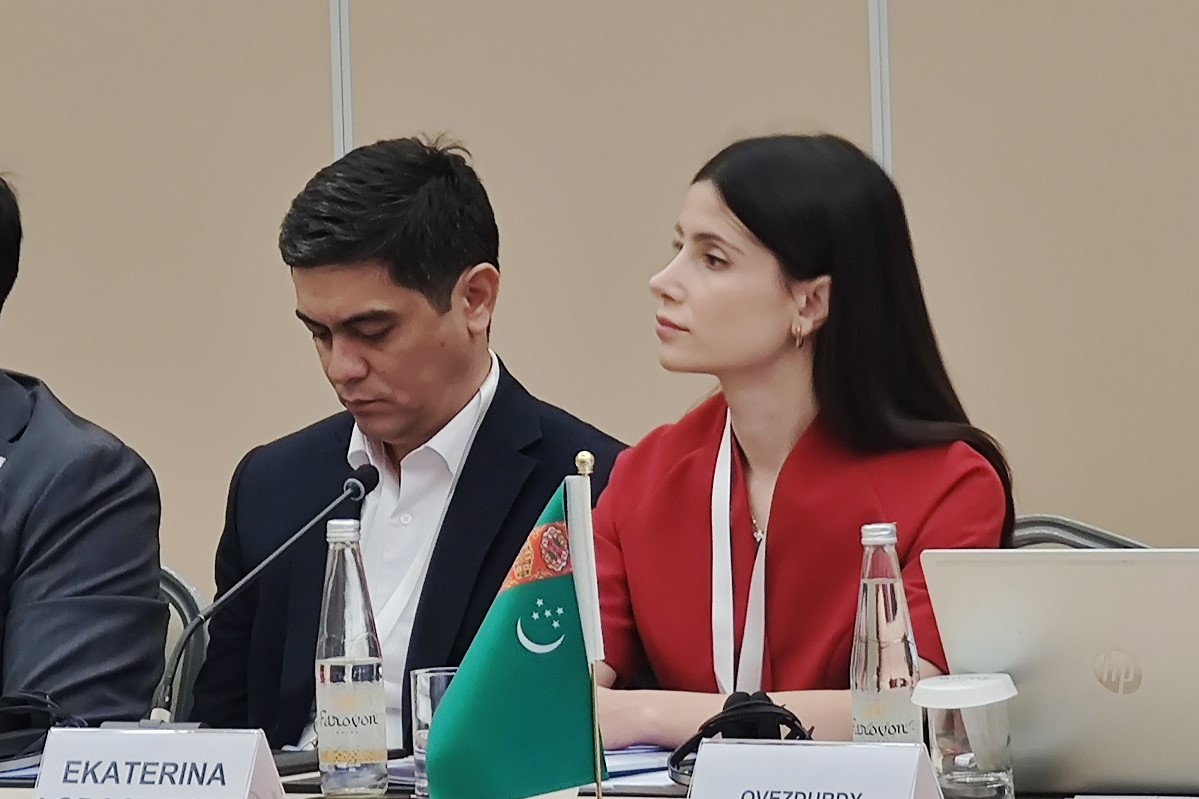
The report placed particular emphasis on the thirty-year partnership between Turkmenistan and Germany. According to Mukhammetberdiev, this cooperation has long since gone beyond mere trade relations, evolving into deep technological and humanitarian interaction.
The participation of industrial giants such as Siemens, CLAAS, and Daimler is accompanied not only by equipment supplies but also by the creation of educational centers where a new generation of specialists is being trained. Germany is a crucial partner in environmental issues and the transition to green energy, helping to implement technologies to reduce methane emissions.
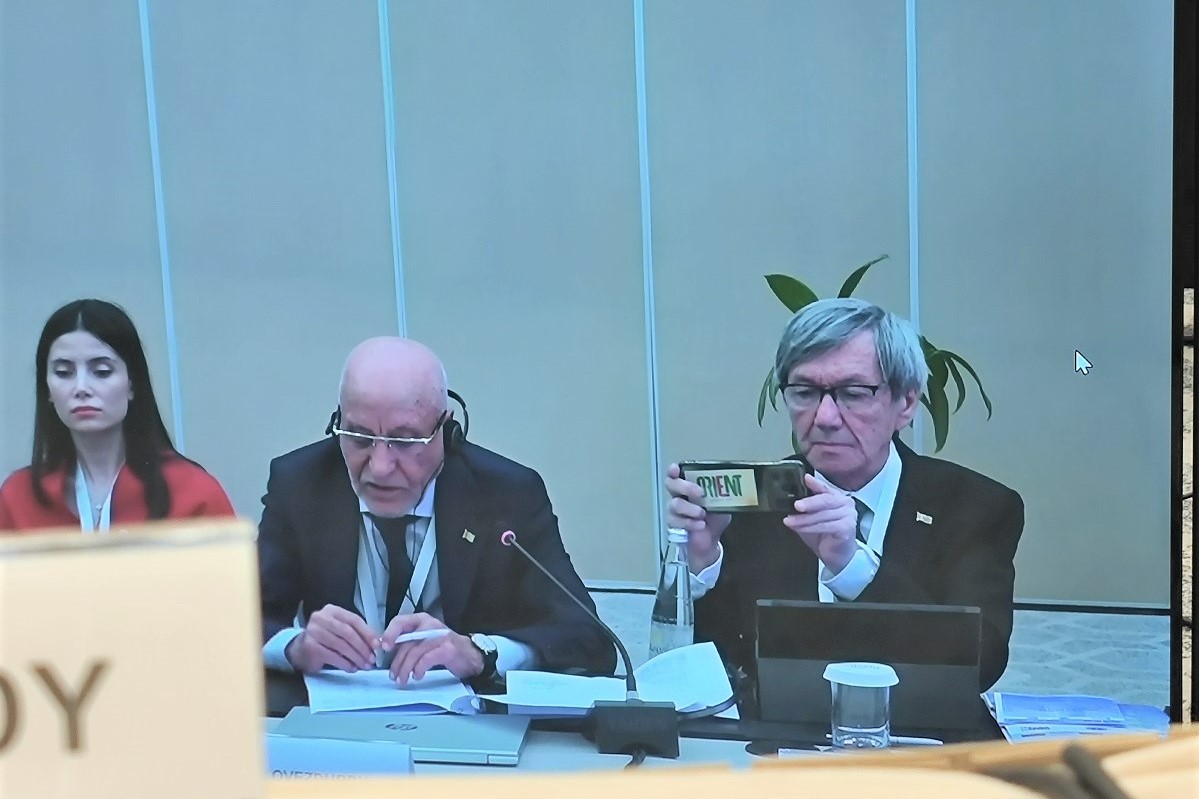
Concluding his analysis, the Turkmen expert emphasized investments in human capital. Today, more than 50,000 people in Turkmenistan are studying German, creating a living bridge between cultures. This humanitarian dimension, reinforced by active exchanges in medicine and archaeology, serves as the most reliable guarantee of a long-term partnership.
The Khiva Forum clearly demonstrated that Central Asia today is a space of flexible alliances and strategic will, capable of forming a zone of stability at the intersection of East and West.
Bekdurdy AMANSARYEV, Expert at the Center for Strategic Studies of the IIR of the MFA of Turkmenistan
Photo: orient.tm
Read also:
19.04.2026
|00:42
19.04.2026
|00:39
16.04.2026
|18:56
15.04.2026
|00:32