Meetings in Brussels Strengthen Turkmenistan's Position in the Eurasian Logistics Architecture
22.04.2026 | 16:28 |
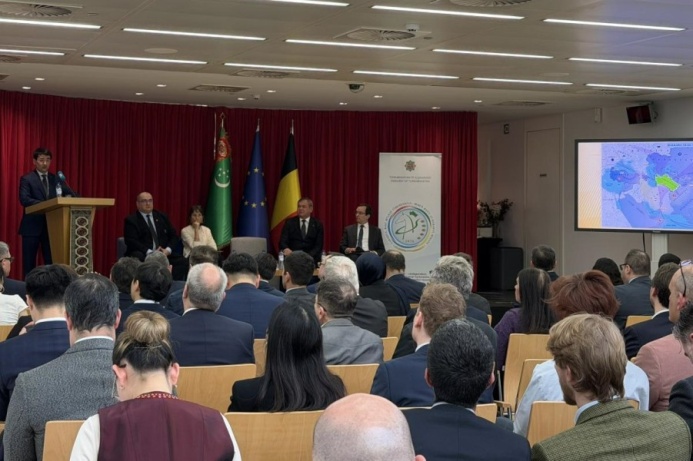


The past few days in Brussels marked another milestone in building a long-term partnership between Turkmenistan and European institutions. A series of meetings, including a World Customs Organization (WCO) conference and the "Bridging Continents" thematic forum, demonstrated a shift from discussing general concepts to elaborating detailed transport routes.
On April 20, the discussion in Brussels focused on specific resilience mechanisms. Moderator Alberto Turkstra (Project Director of Diplomatic World) and speakers from the European Commission and the European Parliament, Charlotte Adriaan and Christian Terhesch, identified an important trend during the "Bridging Continents" forum: Turkmenistan is no longer perceived simply as a geographical point on the map. Today, Ashgabat is acting as an architect, offering reliable solutions amid the global transformation of transport routes.
Turkmen Ambassador Sapar Palvanov emphasized that the country's responsibility at the intersection of the East-West and North-South routes is today measured not only by kilometers of roads, but also by the predictability of the entire international economic system.
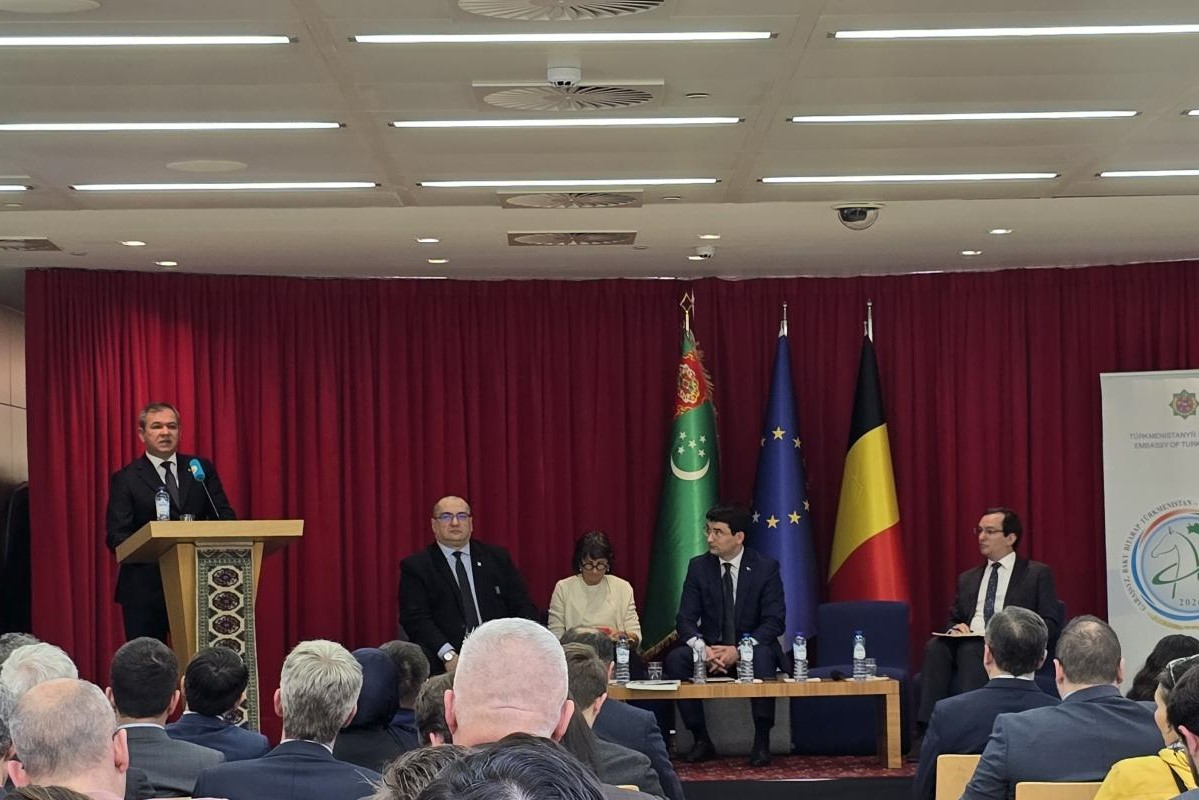
The Ambassador's key message to European institutions was that transport today is not just about rails, but also about trust. At a time when traditional routes are overloaded, Turkmenistan is assuming the role of "stabilizer" for Eurasian transportation.
Turkmenistan's position was supported by specific figures and facts from the State Customs Service. Service representative Kerim Berdiyev presented the "smart" border system to European partners. This involves comprehensive digitalization and the implementation of risk management tools.
For European carriers, this means the most important thing: reduced time. In the Trans-Caspian Corridor, every minute spent at the checkpoint translates into euros of profit. It is this "invisible" modernization that makes the port of Turkmenbashi and our highways real competitors to traditional routes.
This forum was preceded by important work "in the field": on April 16-17, a delegation from Turkmenistan, led by Deputy Chairman of the State Customs Service Mukhammed Mukhammedov, participated in the Conference of Heads of Customs Services of the WCO European Region.
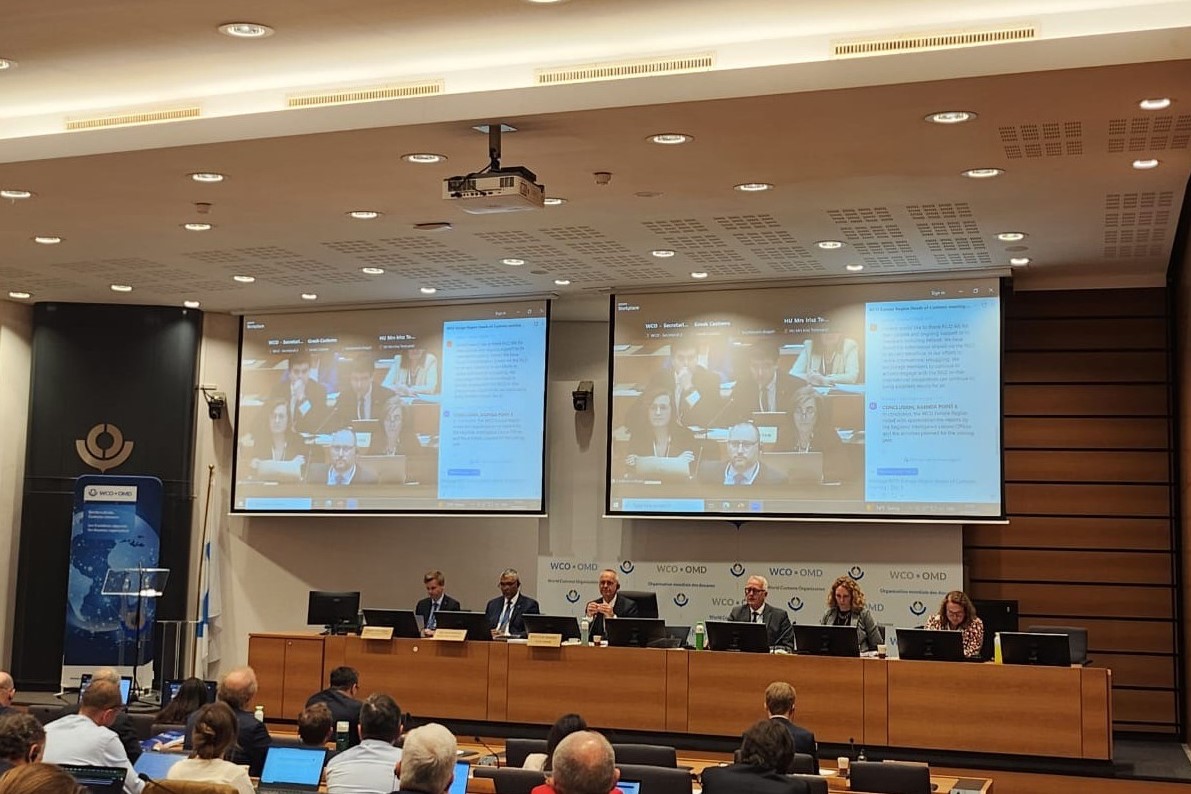
Brussels emphasized that Turkmenistan isn't simply copying international standards; it's actively participating in their creation. Interaction with regional intelligence liaison offices (RILOs) and capacity-building offices (ROCBs) allows Ashgabat to stay ahead of the curve, building a transparent and predictable environment for global business.
The results of the Brussels meetings are clear: Turkmenistan is successfully converting its geographic position into political capital. Connecting continents, the country offers not just roads, but a reliable ecosystem where customs is not a barrier but a high-tech service. Against the backdrop of the transformation of global logistics, Ashgabat is cementing its status as the most responsible and promising link in the East-West architecture.
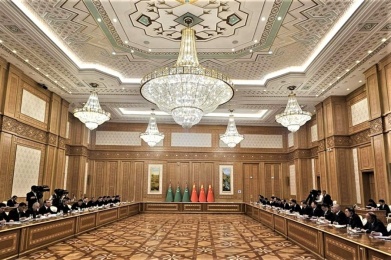
Photo: Embassy of Turkmenistan in Belgium
Read also:
19.04.2026
|22:00
19.04.2026
|00:42
19.04.2026
|00:39