


The iPhone Air Failure: How Apple's Ultra-Thin Experiment Impacted the Smartphone Market
04.05.2026 | 16:20 |
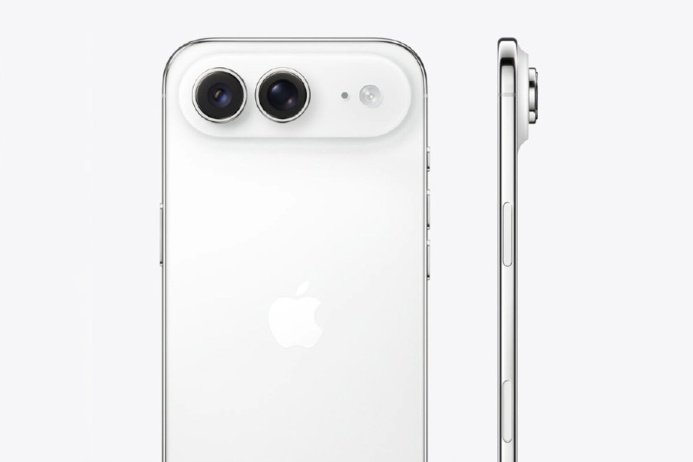


Weak Sales and a Signal to the Industry
Several manufacturers' plans to release ultra-thin smartphones have been jeopardized following weak sales of Apple's iPhone Air. According to insider Digital Chat Station, cited by MacRumors, the device has accumulated just over 700,000 activations since its September 2025 release—even after several price cuts.
Why Ultra-Thinness Fails to Live Up to Expectations
The experiment with the ultra-thin form factor revealed a key problem: the tradeoff between design and functionality. Reducing the case's thickness inevitably leads to limitations:
— reduced battery capacity,
— simplified cooling system,
— reduced camera capabilities.
In a mature market, users prioritize practical features—battery life, performance, and versatility—over minimal device thickness.
Competitors' Reaction: Projects Are Being Curtailed
Amid weak demand, competitors quickly adjusted their strategies. According to available reports:
Xiaomi has suspended development of its own Air smartphone; Vivo has abandoned its plan to emphasize ultra-thinness in its S series; Samsung has reportedly discontinued development of the Galaxy S26 Edge model after weak sales of the previous generation.
Therefore, this is not a localized setback, but a rethinking of an entire industry direction.
Additional Signals of Weak Demand
Other sources also confirm the low interest in the device. According to a KeyBanc Capital Markets survey, the model has generated virtually no consumer interest. Analyst Ming-Chi Kuo previously reported a reduction in production capacity of more than 80% between launch and early 2026.
Based on the data, the device is likely no longer in production.
What's Next: Apple's Strategy and a Possible Relaunch
Despite the disappointing start, Apple, according to sources, intends to continue developing the line. The iPhone Air 2 is expected to be unveiled in spring 2027 as part of a new strategy of staggered device launches.
Proposed Changes Include:
— adding a second main camera (including an ultra-wide-angle camera),
— increasing battery capacity,
— improving the cooling system,
— reducing the weight and cost of the device,
— implementing a thinner Face ID module,
— using Samsung's new OLED technology.
Conclusion: Adjusting Market Priorities
The iPhone Air situation demonstrates an important shift: the smartphone market is becoming increasingly pragmatic. Innovations not backed by real user value lose commercial effectiveness.
Manufacturers, meanwhile, are increasingly focusing not on visual achievements, but on the balanced development of key device characteristics.
Photo: gazeta.ru
Read also:

04.05.2026
|16:10


30.04.2026
|23:48

30.04.2026
|21:49

30.04.2026
|19:25




26.04.2026
|22:40
26.04.2026
|14:34